
How The EMS Chair Can Be a Safe and Non-Surgical Option For Treating Urge Incontinence Kingston upon Hull
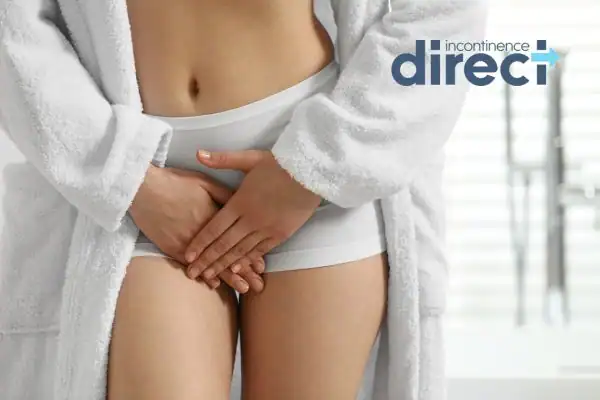
Urge incontinence can make the need to use the toilet feel sudden and hard to manage. You may feel a strong urge to pass urine and then have very little time to reach the bathroom before leakage occurs.
The symptoms can also include frequent urination and getting up during the night. Some people experience urgency without leakage, while others have urgency alongside another type of urinary incontinence.
Understanding your symptoms matters because urinary incontinence has several forms, and treatment depends on the underlying cause.
This guide explains urge incontinence, how it is assessed, common treatments, and what research has found about electromagnetic or magnetic stimulation.
What to Know About Electromagnetic Stimulation for Urge Incontinence
| Aspect | What It Involves | What to Keep in Mind |
|---|---|---|
| External treatment | Electromagnetic pelvic-floor stimulation is delivered externally while the person remains seated on the treatment chair. | The chair-based treatment itself does not involve surgery or an implanted device. |
| Pelvic-floor stimulation | Magnetic stimulation can produce repeated pelvic-floor muscle contractions without requiring the person to perform every contraction voluntarily. | Producing muscle contractions does not by itself establish how much a person’s urinary symptoms will improve. |
| Research into urge incontinence | Magnetic stimulation has been investigated in women with urgency urinary incontinence, including randomised sham-controlled research. | Published studies have used particular equipment, treatment schedules and participant groups, so their findings should be interpreted in that context. |
| Treatment schedules | Research studies have used different treatment schedules, including twice-weekly treatment over six weeks and 12 sessions over six weeks. | There is no single research schedule that should be presented as necessary for every person. |
| Relationship to other treatment | Electromagnetic stimulation is a separate treatment approach from bladder training, pelvic-floor muscle training, medicines and other specialist options. | NICE recommends bladder training for at least six weeks as first-line treatment for women with urgency or mixed urinary incontinence. |
| Individual response | Clinical studies report results for groups of participants rather than predicting what will happen to a particular person. | An improvement cannot be guaranteed, and persistent or unexplained symptoms may require medical assessment. |
How Does Electromagnetic Stimulation Relate to Urge Incontinence?
Magnetic stimulation has been studied as a way of producing repeated pelvic-floor muscle contractions through externally applied stimulation.
This differs from conventional pelvic-floor exercises, where you deliberately contract and relax the muscles yourself.
There is some clinical research specifically involving women with urgency urinary incontinence. One multicentre randomised study included 151 women and compared active magnetic stimulation with sham treatment. The treatment was given twice a week for six weeks, and the researchers reported greater reductions in weekly leakage and urgency episodes in the active-treatment group.
The finding is relevant to the subject, but it does not mean that every electromagnetic chair has been studied using the same equipment or treatment programme. Consider research results in the context of the intervention tested.
The evidence identified in the 2023 review was limited to five studies involving women with urgency urinary incontinence. Those studies differed in who was included, how magnetic stimulation was delivered and how treatment outcomes were assessed. Because of these differences, the results could not be compared directly. The review recommended further randomised research using standardised protocols and longer follow-up periods.
For someone considering treatment, that makes the distinction between research into magnetic stimulation and the specific service being offered important.
Understanding the Real-Life Impact of Urge Incontinence
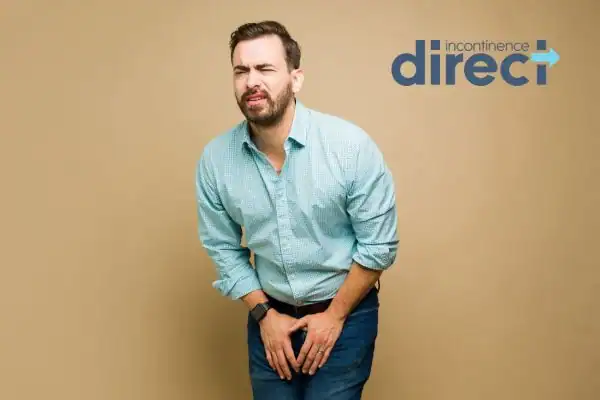
Urge incontinence is more than simply needing to visit the toilet frequently.
The characteristic symptom is a sudden, intense need to pass urine that is difficult to hold or postpone, followed by leakage or the fear that leakage may occur. The NHS notes that there may sometimes be only a few seconds between the urge and the release of urine.
For some people, the problem becomes particularly noticeable when they are away from home. They may look for a toilet as soon as they arrive somewhere, interrupt an activity to use the bathroom, or wake repeatedly during the night.
Urge incontinence is often associated with overactive bladder symptoms. An overactive bladder can cause urgency and increased frequency, with or without leakage.
It is also possible to have mixed urinary incontinence, where urgency-related leakage occurs alongside stress leakage caused by general activities such as coughing, sneezing or exercising.
Common symptoms include:
- A sudden and strong need to urinate
- Difficulty delaying the need to go
- Leakage before reaching the toilet
- Passing urine frequently during the day
- Waking during the night to urinate
- Urgency together with stress-related leakage
Several factors can cause these symptoms. The NHS lists factors including bladder overactivity, caffeine or alcohol intake, constipation, urinary-tract problems, neurological conditions and some medicines. Sometimes the underlying cause isn’t immediately obvious.
That is why persistent urinary leakage is worth discussing with a healthcare professional rather than assuming that weak pelvic-floor muscles are the only explanation.
What Makes Electromagnetic Pelvic-Floor Stimulation Relevant?
Pelvic-floor muscles are involved in urinary control, which is why researchers have investigated stimulation of these muscles as a possible treatment approach.
With an externally applied magnetic treatment, the stimulation is intended to produce pelvic-floor contractions while the person remains seated.
The research into this approach is not limited to one study. A 2014 randomised trial involving 151 women found a difference between active and sham treatment in measured urgency and leakage outcomes.
Another randomised study investigated magnetic stimulation in 70 women with urgency urinary incontinence. Participants received 12 sessions over six weeks, with an active-treatment group compared with a sham group. The researchers reported improvements in urinary symptoms and quality-of-life measures at follow-up, while also noting the need for further research.
Earlier research has also investigated magnetic stimulation in people with urgency incontinence who had not responded adequately to pelvic-floor muscle training. A 2007 randomised, sham-controlled study included 39 participants, including men and women, and reported improvements in several measured outcomes following active treatment.
These studies provide useful information about the treatment being researched. They do not establish that every chair-based electromagnetic system uses the same technology, settings or treatment protocol.
What does this mean in practical terms?
| Question | What the research tells us |
| Has magnetic stimulation been studied for urgency incontinence? | Yes. Clinical studies have investigated it in people with urgency urinary incontinence. |
| Have sham-controlled studies been carried out? | Yes. Both older and more recent studies have compared magnetic stimulation with sham treatment. |
| Do the studies all use the same treatment? | No. Equipment, treatment schedules and study methods vary. |
| Is magnetic stimulation the same as electrical stimulation? | No. They are different forms of stimulation and the evidence should not be treated as interchangeable. |
| Can research predict an individual’s result? | No. Study results describe groups of participants rather than guaranteeing an outcome for an individual. |
| Does the research replace established treatment? | No. Magnetic stimulation is a separate treatment approach that has been investigated alongside established management options. |
Benefits of EMS Chair Treatment for Urge Incontinence
The practical appeal of an externally delivered treatment is straightforward: the person remains seated while the equipment provides the stimulation.
The EMS chair-based treatment involves no surgery, and the person does not have to perform every pelvic-floor contraction voluntarily.
Those characteristics describe how the treatment is delivered. They do not, by themselves, establish how much someone’s urinary symptoms will improve.
The published research is more useful when considered in terms of the actual outcomes measured. Studies of magnetic stimulation for urgency urinary incontinence have examined measures such as leakage episodes, urgency episodes, symptom scores and quality of life.
What you can expect from the treatment format
- Treatment is delivered externally while you are seated.
- Magnetic or electromagnetic stimulation produces pelvic-floor contractions.
- The chair-based treatment involves no surgical procedure.
- You do not need to perform every contraction yourself.
- Research studies have used different treatment schedules.
- Individual responses can vary.
Do not present the number of sessions as a universal medical requirement. Published studies have used different schedules, including twice-weekly treatment over six weeks and 12 sessions over six weeks.
Bringing Urge Incontinence Treatment Into Your Home Routine
Incontinence Direct provides private mobile electromagnetic pelvic-floor stimulation.
The mobile format means you can arrange treatment at your location where the service is available, rather than requiring every appointment to take place at a permanent clinic.
Before treatment, you can discuss what you have been experiencing and ask questions about the service.
If you have not previously had your urinary symptoms assessed, consider doing so before starting any private treatment. A GP may ask about your symptoms, medical history, medicines, fluid and caffeine intake and bladder habits. A bladder diary over several days can also show how often you pass urine and when urgency or leakage occurs.
What an appointment involves
Talking through your symptoms
You can explain what is happening, how often you experience urgency or leakage and what you would like to know about electromagnetic stimulation.
Understanding the treatment
You can ask how the chair works, what an appointment involves and what the service can provide.
Checking whether treatment is appropriate
Before treatment, consider the equipment’s safety information and your individual circumstances.
Receiving the treatment
Where treatment is appropriate, you remain seated while the electromagnetic system delivers stimulation to the pelvic-floor region.
Keeping an eye on your symptoms
If your urinary symptoms change, become worse or do not improve, further medical assessment may be appropriate.
This approach leaves room to consider treatment without suggesting that everyone with urgency incontinence should follow the same programme.
What Other Treatments Are Available for Urge Incontinence?
Electromagnetic stimulation is only one treatment approach that people may come across when researching urge incontinence.
For women with urgency or mixed urinary incontinence, NICE recommends bladder training for a minimum of six weeks as first-line treatment.
The NHS also describes conservative measures such as lifestyle changes, pelvic-floor muscle training and bladder training. The appropriate treatment depends on the type of incontinence and the person’s circumstances.
Bladder training
Bladder training involves gradually working on the time between feeling the need to urinate and going to the toilet. NICE recommends a programme lasting at least six weeks for women with urgency or mixed urinary incontinence.
Lifestyle changes
Some people may benefit from reviewing caffeine intake, alcohol consumption, fluid intake, constipation and weight where relevant.
Fluid restriction is not automatically helpful. The NHS notes that drinking too much or too little can worsen urinary symptoms, so approach major changes sensibly.
Pelvic-floor muscle training
Pelvic-floor exercises are widely used to manage urinary incontinence. The type of incontinence matters when deciding how they fit into treatment.
NICE recommends supervised pelvic-floor muscle training for at least three months as first-line treatment for women with stress or mixed urinary incontinence. For urgency or mixed urinary incontinence, bladder training is the recommended first-line behavioural treatment.
Medicines
When conservative treatment does not provide enough benefit, medicines may be considered for overactive bladder symptoms.
The choice depends on the person’s symptoms, medical history and other medicines they may already be taking.
Specialist treatments
People whose symptoms remain troublesome despite conservative management may be offered specialist options. Depending on the circumstances, these can include bladder injections or nerve-stimulation treatments.
For urge incontinence, treatment options can include botulinum toxin A injections and sacral nerve stimulation. Posterior tibial nerve stimulation is another option, although the NHS notes that it is used only in certain circumstances, particularly when other treatments have not helped.
These treatments are medically different from a chair-based electromagnetic service.
Why Electromagnetic Stimulation May Be Considered
Someone who has already looked into bladder training, lifestyle changes or other treatment options may also want to understand whether magnetic stimulation is worth investigating.
There is a genuine research basis for asking the question. Magnetic stimulation has been studied in women with urgency urinary incontinence, including randomised sham-controlled research.
At the same time, the evidence base is not uniform. The 2023 systematic review found only five eligible studies and noted substantial differences in how the research was conducted. The authors called for larger and more consistent trials with longer follow-up.
This makes a measured description more useful than a promise of results.
If you are considering electromagnetic stimulation, the relevant questions include:
- What type of stimulation does the equipment use?
- What research has been conducted using comparable treatment?
- What symptoms are you hoping to address?
- Have those symptoms been assessed?
- How does the treatment fit with the other options available to you?
Is Electromagnetic Stimulation the Same as Electrical Stimulation?
No.
This distinction matters, especially when reading medical information online.
Electrical stimulation applies an electrical current through electrodes. Magnetic stimulation uses an electromagnetic field to induce stimulation without delivering an electrical current through the skin in the same way.
NICE advises against routinely using electrical stimulation for women with overactive bladder.
That recommendation concerns electrical stimulation. It should not be rewritten as though NICE had evaluated every form of magnetic stimulation.
Likewise, research involving magnetic stimulation should not be described as NICE approval or endorsement of a particular private EMS service.
Keeping the two interventions separate makes the evidence easier to understand.
Can Electromagnetic Stimulation Cure Urge Incontinence?
It would be inappropriate to promise a cure.
Urge incontinence can have different contributing factors, and responses to treatment vary between individuals.
Research on magnetic stimulation has found changes in several measures of urinary symptoms, including urgency and leakage. Interpret the results in the context of the individual studies, and don’t assume everyone treated will become completely symptom-free.
A more useful approach is to understand what has been studied, consider your own symptoms, and discuss other available options where appropriate.
Read More Here : Urge Incontinence Symptoms, Causes, and Treatment Options
When Should You Speak to a GP?
The NHS recommends seeing a GP if you have urinary incontinence. An assessment can help establish which type of incontinence you have and whether another condition may be contributing to the symptoms.
A GP may ask about:
- When the leakage happens
- How often you need to pass urine
- Whether you wake during the night
- Whether you have difficulty emptying your bladder
- Your medicines
- How much fluid, alcohol and caffeine you consume
A bladder diary may also be useful during the assessment.
You should seek medical attention if you have symptoms such as seeing blood presence in your urine, pain when passing urine, recurrent urinary infections or difficulty passing or emptying urine.
NICE also identifies circumstances that may warrant specialist assessment, including persistent bladder or urethral pain, voiding difficulties, suspected neurological disease and certain other complicating factors.
Frequently Asked Questions Around Urge Incontinence Kingston upon Hull
What is urge incontinence?
Urge incontinence is when urine leaks because of a sudden, intense need to pass urine that is difficult to delay. It is often associated with overactive bladder symptoms.
What causes urge incontinence?
There can be several contributing factors. The NHS lists overactive bladder, caffeine and alcohol, constipation, urinary-tract conditions, neurological conditions and certain medicines among possible causes.
Sometimes the cause of bladder overactivity is unclear.
What treatment is normally recommended first?
For women with urgency or mixed urinary incontinence, NICE recommends bladder training lasting at least six weeks as first-line treatment.
Other treatments may be considered depending on the symptoms and response.
Is magnetic stimulation the same as electrical stimulation?
No.
They are different forms of stimulation, and findings from one should not automatically apply to the other.
This distinction matters because NICE’s recommendations on electrical stimulation for overactive bladder refer to electrical treatment, not every form of magnetic stimulation.
Can I use electromagnetic stimulation instead of bladder training?
It should not be treated as an automatic replacement.
NICE recommends bladder training as first-line treatment for women with urgency or mixed urinary incontinence. Magnetic stimulation is a separate treatment approach that has been investigated in clinical research.
Is electromagnetic pelvic-floor stimulation suitable for everyone?
Not necessarily.
Whether a treatment is appropriate depends on the individual’s circumstances and the safety information for the equipment being used.
If you have a previous medical history or condition, an implanted device, or other concerns that could affect treatment, discuss it with an appropriate healthcare professional and check the equipment-specific guidance before proceeding.
What are the common symptoms?
You may experience a sudden need to urinate, leakage before reaching the toilet, frequent urination or waking during the night to pass urine.
Some people have urgency without leakage.
How is urge incontinence diagnosed?
A GP will usually ask about your common symptoms and medical history. You may also be asked to keep a bladder diary for at least three days.
Depending on your symptoms, an examination, urine test or other investigation may be appropriate.
Has magnetic stimulation been studied for urge incontinence?
Yes.
A multicentre randomised study involving 151 women compared active magnetic stimulation with sham treatment and reported greater reductions in weekly leakage and urgency episodes in the active-treatment group.
A more recent randomised sham-controlled trial also studied magnetic stimulation in women with urgency urinary incontinence.
How many sessions are needed?
No single number applies to every magnetic-stimulation treatment.
Published studies have used different programmes. For example, one trial used treatment twice a week for six weeks, while another used 12 sessions over six weeks.
The treatment schedule offered by a private service should therefore be based on the actual equipment and service protocol.
Can urge incontinence be completely cured?
A cure cannot be promised.
Some people can achieve substantial improvement with appropriate treatment, but the outcome depends on the underlying cause, symptoms and treatment used.
How can Incontinence Direct Kingston upon Hull help?
Incontinence Direct Kingston upon Hull provides a private mobile electromagnetic pelvic-floor stimulation service.
You can contact the team to ask about the treatment, how appointments are arranged and whether the service is available in your area.
If your urinary symptoms have not been assessed, or if they are new or unexplained, consider a medical assessment before relying on a private treatment service.
Speak To A Kingston upon Hull Consultant Today!
If you are considering private electromagnetic pelvic-floor stimulation, you can contact Incontinence Direct Kingston upon Hull to discuss the service and practical arrangements.
The information on this page is general information about urge incontinence and magnetic stimulation. It is not a diagnosis and should not replace appropriate medical advice.
Sources & Further Reading
- NHS — Urinary incontinence
- NHS — Urinary incontinence: Causes
- NHS — Urinary incontinence: Symptoms
- NHS — Urinary incontinence: Diagnosis
- NHS — Urinary incontinence: Non-surgical treatment
- NICE — Urinary incontinence and pelvic organ prolapse in women: management (NG123)
- PubMed — Multicenter, randomised, sham-controlled study on the efficacy of magnetic stimulation for women with urgency urinary incontinence
- PubMed — Magnetic stimulation in the treatment of female urgency urinary incontinence: a systematic review
- PubMed — Magnetic Stimulation in the Treatment of Urgency Urinary Incontinence: A Randomised Sham-Controlled Clinical Trial
Medical Information Notice
This article provides general information about urge incontinence, its assessment, treatment options and research into magnetic stimulation.
It does not diagnose a medical condition or determine whether a particular treatment is appropriate for an individual.
If you have new, persistent, worsening or unexplained urinary symptoms, seek advice from an appropriate healthcare professional.
Last Reviewed: September 2026 | Incontinence Driect Kingston upon Hull Editorial Team